Never indoors
Never run a portable generator in a garage, basement or shed. Carbon monoxide builds up fast, even with doors open.
Storms, ice and summer thunderstorms knock out power across Monmouth County every year. This checklist covers what to do before, during and after an outage, with local numbers and the safety rules that keep families and utility crews safe.
If your home is the only one dark, or something is sparking, our electricians answer 24 hours a day for emergency calls.

Before: save JCP&L's outage number, charge devices, test your sump pump and generator. During: check if it's just your home, unplug electronics, keep the fridge closed and run generators only outdoors. After: plug things back in slowly and call an electrician if any part of the home still isn't working.
Recent storms show why a plan matters.
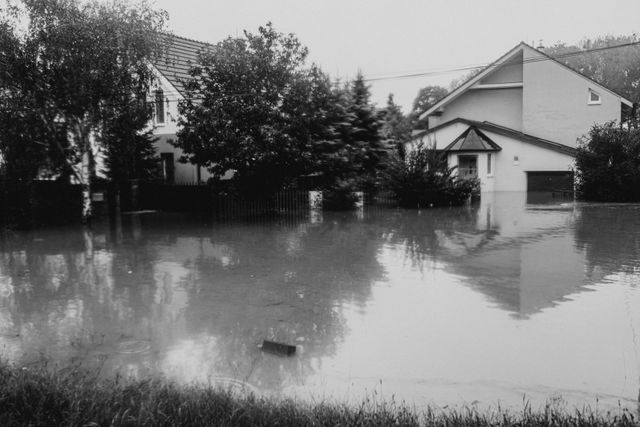
Tall trees, overhead lines and coastal storms make long outages common here. During Tropical Storm Isaias in August 2020, Marlboro's mayor reported more than 11,000 local customers still without power the evening after the storm, and many waited days.
In July 2026, storms again knocked out power across town. Two days later, about 1,000 Marlboro homes were still dark, and the township opened the Recreation Center and library as charging stations. Planning ahead makes that kind of week far easier.
Ten minutes now saves hours of stress later.
Someone at home uses medical equipment? Make a plan now for backup power or a place to go.
Stay safe first, then protect your home.
If the whole street is dark, it's a utility outage. Report it to JCP&L. If only your home is out, the problem may be inside, so call an electrician.
Look for a tripped main breaker. If it's tripped and won't reset, or you smell burning, call a 24 hour emergency electrician.
Power can come back with a surge. Unplug TVs and computers or use surge protectors.
Per USDA food safety guidance, a closed fridge keeps food cold about 4 hours. A full freezer holds about 48 hours, half full about 24.
You'll know right away when power returns.
Generators save the day, and they cause injuries every storm season when used wrong.
Never run a portable generator in a garage, basement or shed. Carbon monoxide builds up fast, even with doors open.
The CDC advises keeping it at least 20 feet from the house, with exhaust pointed away from windows and doors.
Never plug a generator into a wall outlet. It can send power onto the lines and endanger utility crews.
A transfer switch or interlock lets you power furnace, fridge and sump pump safely.
Wondering how big a generator you'd need? Read What Size Generator Do You Need for a Whole House?.
A few quick checks catch problems early.
Tired of riding out storms? Compare a whole house generator and whole house surge protection.
Plain-English answers to the questions homeowners ask us most.
Our licensed electricians serve Marlboro and these nearby towns.
View All Service AreasCall 888-544-4877, text OUT to 544487, or use the outage page on the FirstEnergy website.
USDA guidance says about 4 hours in a closed fridge, about 48 hours in a full freezer and about 24 hours if it's half full.
Check your main breaker. If it's not tripped, or it won't reset, the problem may be your service or panel. Call an electrician.
No. It's dangerous and can injure utility workers. Use a listed transfer switch or interlock.
The CDC recommends at least 20 feet, with the exhaust pointed away from doors and windows.
Talk to a licensed electrician about generators, transfer switches and surge protection. Same-day visits and 24 hour help.
(732) 419-5195